The Future of Industrial Automation: How Machine Technology Is Creating Smarter Workflows, Reducing Costs, and Boosting Productivity
White Wang
•
September 19, 2025
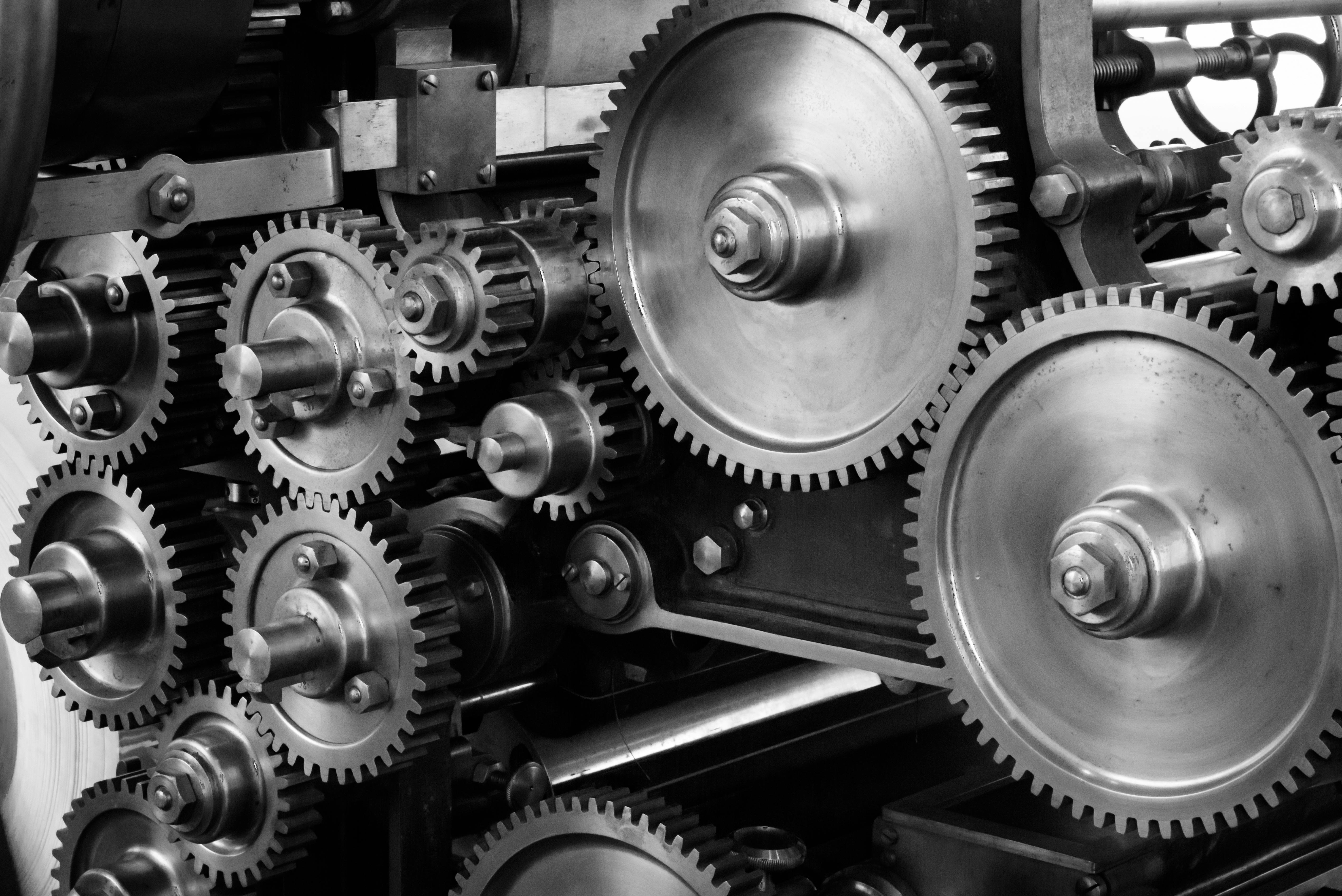
Industrial automation is not a new concept. For decades, traditional automation has excelled at making factories faster and more efficient by deploying "dumb" robots to perform single, repetitive tasks. But this model is being fundamentally disrupted. We are now entering a new era of intelligent automation, a core component of Industry 4.0.
The future of industrial automation is not just about replacing manual labor; it's about creating interconnected, intelligent, and autonomous systems. Driven by a convergence of machine technology—including artificial intelligence (AI), the Industrial Internet of Things (IIoT), and advanced robotics—this new paradigm is creating smarter workflows that were previously impossible, leading to dramatic cost reductions and unprecedented boosts in productivity.
1. The Core of the Revolution: Creating Smarter Workflows
The most significant shift in modern automation is the move from pre-programmed, rigid processes to dynamic, adaptive, and intelligent workflows. These "smart workflows" allow factories to think, learn, and adjust in real-time.
From Rigid to "Cognitive Automation"
Traditional automation follows a set of predefined rules. If a component is 1mm out of place, the entire line stops. The future, however, lies in cognitive automation, where systems use AI to perceive, analyze, and make intelligent decisions.
AI-Driven Decision Making: Instead of just following rules, AI-powered systems analyze real-time data to optimize processes. This includes AI-driven demand forecasting, which automatically adjusts production schedules based on market signals, and process optimization, where machine learning algorithms constantly fine-tune parameters (like temperature or speed) to maximize output and quality.
The Industrial Internet of Things (IIoT): The IIoT is the "nervous system" of the smart factory. It is a vast network of sensors embedded in every machine, product, and pallet. These sensors constantly stream terabytes of data, providing a live, transparent view of the entire operation. This data flow is the "glue" that connects machines, eliminates information silos, and enables the AI to make its smart decisions.
The Digital Twin: Simulating the Future
The pinnacle of the smart workflow is the digital twin. This is a complete, high-fidelity virtual replica of a physical asset, a production line, or even an entire factory. It is fed real-time data from its physical counterpart's IIoT sensors, creating a living simulation.
This technology is a game-changer for several reasons:
"What-If" Analysis: Manufacturers can test changes—like reconfiguring a layout, increasing line speed, or introducing a new product—on the digital twin first. This eliminates the risk and downtime of real-world testing. Siemens, for example, has worked with partners like Team Penske to use digital twins to simulate and optimize race car configurations before they ever hit the track.
Virtual Training: Operators can be trained to handle complex machinery or emergency scenarios in a safe, immersive virtual environment without risking damage to expensive equipment.
Layout Optimization: A digital twin of a warehouse can simulate thousands of robotic and human traffic patterns to find the single most efficient layout, as DHL has done by using autonomous mobile robots (AMRs) to learn the most efficient travel routes, cutting order cycle times by up to 50%.
2. The Tangible Benefit: Drastically Reducing Costs
While "smarter" is the goal, "cheaper" is the immediate, measurable outcome. Intelligent automation slashes costs across the entire value chain, from maintenance and energy to materials and labor.
The End of Downtime: AI-Powered Predictive Maintenance
The single biggest cost-reducer in modern automation is the shift from reactive maintenance ("fix it when it breaks") to predictive maintenance ("fix it before it breaks").
In a traditional factory, unplanned downtime is a catastrophic expense. By analyzing data from IIoT sensors (tracking vibration, temperature, and acoustics), AI algorithms can detect subtle anomalies that signal an impending failure. This allows maintenance to be scheduled before the breakdown occurs.
The results are staggering. Reports from industry analysts and companies like Siemens and Bosch show that predictive maintenance can:
Reduce equipment downtime by up to 50%.
Lower maintenance costs by 10-40%.
Improve energy efficiency by up to 20%, as the AI identifies and flags inefficient, worn-down parts.
Reducing Material and Labor Costs
Robotic Precision: Robots perform tasks with perfect, repeatable precision, 24/7. This drastically reduces scrap rates from human error. For example, a ceramic manufacturer, Vitra Karo, used AI-powered computer vision for quality control and reduced its scrap rate by 50%.
Efficient Labor: Automation and robotics lower total labor costs by handling the routine, repetitive tasks. This allows companies to grow and scale production without a proportional increase in labor expenses.
Minimized Waste: Additive manufacturing (3D printing) and other smart processes use only the material needed for the part, eliminating the waste associated with traditional "subtractive" manufacturing.
3. The Ultimate Goal: Boosting Productivity
Smarter workflows and lower costs inevitably lead to the ultimate goal: a massive boost in productivity, quality, and flexibility.
The Rise of the "Cobot" (Collaborative Robot)
The future of the factory floor is not a dark, human-less void. It is a collaborative space where humans and robots work side-by-side. Unlike old industrial robots, which were caged for safety, "cobots" are designed to be safe, flexible, and easy to program.
This human-robot collaboration unlocks new levels of productivity:
Augmenting, Not Replacing: Cobots handle the "dull, dirty, and dangerous" tasks—like repetitive welding, heavy lifting, or machine tending. This frees human workers to focus on complex, high-value tasks like quality control, problem-solving, and managing the robotic fleet.
Speed and Endurance: A human welder may be fast, but a cobot is just as fast and never gets tired. A sheet metal manufacturer, Raymath, implemented cobot welders and saw a 4x productivity increase because the cobots could weld at double the speed of a human, 24/7.
Accessibility for All: Cobots are cheaper and easier to integrate, making advanced automation accessible for the first time to small and medium-sized enterprises (SMEs), not just automotive giants.
24/7 Operations and Unmatched Quality
"Lights-Out" Manufacturing: Robots can run 24 hours a day, 365 days a year, performing two or three shifts' worth of work in a single day.
Superhuman Quality Control: AI-powered visual inspection systems are more productive than human inspectors. They can identify microscopic defects invisible to the human eye, do it in milliseconds, and never get fatigued. This means higher throughput, fewer product recalls, and a more consistent, high-quality final product.
Conclusion: The New Competitive Standard
The future of industrial automation is already here. It is an ecosystem where machines are connected by the IIoT, simulated by digital twins, and given a "brain" by artificial intelligence. This transformation is creating hyper-efficient, flexible, and autonomous workflows that were unimaginable a decade ago.
Companies that embrace this new paradigm are not just seeing incremental gains; they are fundamentally redefining their operational limits. By creating smarter workflows, they are unlocking a virtuous cycle of lower costs and higher productivity that is rapidly becoming the new standard for global competitiveness.
← Back to Home
The future of industrial automation is not just about replacing manual labor; it's about creating interconnected, intelligent, and autonomous systems. Driven by a convergence of machine technology—including artificial intelligence (AI), the Industrial Internet of Things (IIoT), and advanced robotics—this new paradigm is creating smarter workflows that were previously impossible, leading to dramatic cost reductions and unprecedented boosts in productivity.
1. The Core of the Revolution: Creating Smarter Workflows
The most significant shift in modern automation is the move from pre-programmed, rigid processes to dynamic, adaptive, and intelligent workflows. These "smart workflows" allow factories to think, learn, and adjust in real-time.
From Rigid to "Cognitive Automation"
Traditional automation follows a set of predefined rules. If a component is 1mm out of place, the entire line stops. The future, however, lies in cognitive automation, where systems use AI to perceive, analyze, and make intelligent decisions.
AI-Driven Decision Making: Instead of just following rules, AI-powered systems analyze real-time data to optimize processes. This includes AI-driven demand forecasting, which automatically adjusts production schedules based on market signals, and process optimization, where machine learning algorithms constantly fine-tune parameters (like temperature or speed) to maximize output and quality.
The Industrial Internet of Things (IIoT): The IIoT is the "nervous system" of the smart factory. It is a vast network of sensors embedded in every machine, product, and pallet. These sensors constantly stream terabytes of data, providing a live, transparent view of the entire operation. This data flow is the "glue" that connects machines, eliminates information silos, and enables the AI to make its smart decisions.
The Digital Twin: Simulating the Future
The pinnacle of the smart workflow is the digital twin. This is a complete, high-fidelity virtual replica of a physical asset, a production line, or even an entire factory. It is fed real-time data from its physical counterpart's IIoT sensors, creating a living simulation.
This technology is a game-changer for several reasons:
"What-If" Analysis: Manufacturers can test changes—like reconfiguring a layout, increasing line speed, or introducing a new product—on the digital twin first. This eliminates the risk and downtime of real-world testing. Siemens, for example, has worked with partners like Team Penske to use digital twins to simulate and optimize race car configurations before they ever hit the track.
Virtual Training: Operators can be trained to handle complex machinery or emergency scenarios in a safe, immersive virtual environment without risking damage to expensive equipment.
Layout Optimization: A digital twin of a warehouse can simulate thousands of robotic and human traffic patterns to find the single most efficient layout, as DHL has done by using autonomous mobile robots (AMRs) to learn the most efficient travel routes, cutting order cycle times by up to 50%.
2. The Tangible Benefit: Drastically Reducing Costs
While "smarter" is the goal, "cheaper" is the immediate, measurable outcome. Intelligent automation slashes costs across the entire value chain, from maintenance and energy to materials and labor.
The End of Downtime: AI-Powered Predictive Maintenance
The single biggest cost-reducer in modern automation is the shift from reactive maintenance ("fix it when it breaks") to predictive maintenance ("fix it before it breaks").
In a traditional factory, unplanned downtime is a catastrophic expense. By analyzing data from IIoT sensors (tracking vibration, temperature, and acoustics), AI algorithms can detect subtle anomalies that signal an impending failure. This allows maintenance to be scheduled before the breakdown occurs.
The results are staggering. Reports from industry analysts and companies like Siemens and Bosch show that predictive maintenance can:
Reduce equipment downtime by up to 50%.
Lower maintenance costs by 10-40%.
Improve energy efficiency by up to 20%, as the AI identifies and flags inefficient, worn-down parts.
Reducing Material and Labor Costs
Robotic Precision: Robots perform tasks with perfect, repeatable precision, 24/7. This drastically reduces scrap rates from human error. For example, a ceramic manufacturer, Vitra Karo, used AI-powered computer vision for quality control and reduced its scrap rate by 50%.
Efficient Labor: Automation and robotics lower total labor costs by handling the routine, repetitive tasks. This allows companies to grow and scale production without a proportional increase in labor expenses.
Minimized Waste: Additive manufacturing (3D printing) and other smart processes use only the material needed for the part, eliminating the waste associated with traditional "subtractive" manufacturing.
3. The Ultimate Goal: Boosting Productivity
Smarter workflows and lower costs inevitably lead to the ultimate goal: a massive boost in productivity, quality, and flexibility.
The Rise of the "Cobot" (Collaborative Robot)
The future of the factory floor is not a dark, human-less void. It is a collaborative space where humans and robots work side-by-side. Unlike old industrial robots, which were caged for safety, "cobots" are designed to be safe, flexible, and easy to program.
This human-robot collaboration unlocks new levels of productivity:
Augmenting, Not Replacing: Cobots handle the "dull, dirty, and dangerous" tasks—like repetitive welding, heavy lifting, or machine tending. This frees human workers to focus on complex, high-value tasks like quality control, problem-solving, and managing the robotic fleet.
Speed and Endurance: A human welder may be fast, but a cobot is just as fast and never gets tired. A sheet metal manufacturer, Raymath, implemented cobot welders and saw a 4x productivity increase because the cobots could weld at double the speed of a human, 24/7.
Accessibility for All: Cobots are cheaper and easier to integrate, making advanced automation accessible for the first time to small and medium-sized enterprises (SMEs), not just automotive giants.
24/7 Operations and Unmatched Quality
"Lights-Out" Manufacturing: Robots can run 24 hours a day, 365 days a year, performing two or three shifts' worth of work in a single day.
Superhuman Quality Control: AI-powered visual inspection systems are more productive than human inspectors. They can identify microscopic defects invisible to the human eye, do it in milliseconds, and never get fatigued. This means higher throughput, fewer product recalls, and a more consistent, high-quality final product.
Conclusion: The New Competitive Standard
The future of industrial automation is already here. It is an ecosystem where machines are connected by the IIoT, simulated by digital twins, and given a "brain" by artificial intelligence. This transformation is creating hyper-efficient, flexible, and autonomous workflows that were unimaginable a decade ago.
Companies that embrace this new paradigm are not just seeing incremental gains; they are fundamentally redefining their operational limits. By creating smarter workflows, they are unlocking a virtuous cycle of lower costs and higher productivity that is rapidly becoming the new standard for global competitiveness.