How Machine Technology Is Transforming the Oil and Gas Sector: Smarter Exploration, Safer Operations, and Cost-Effective Production
White Wang
•
September 19, 2025
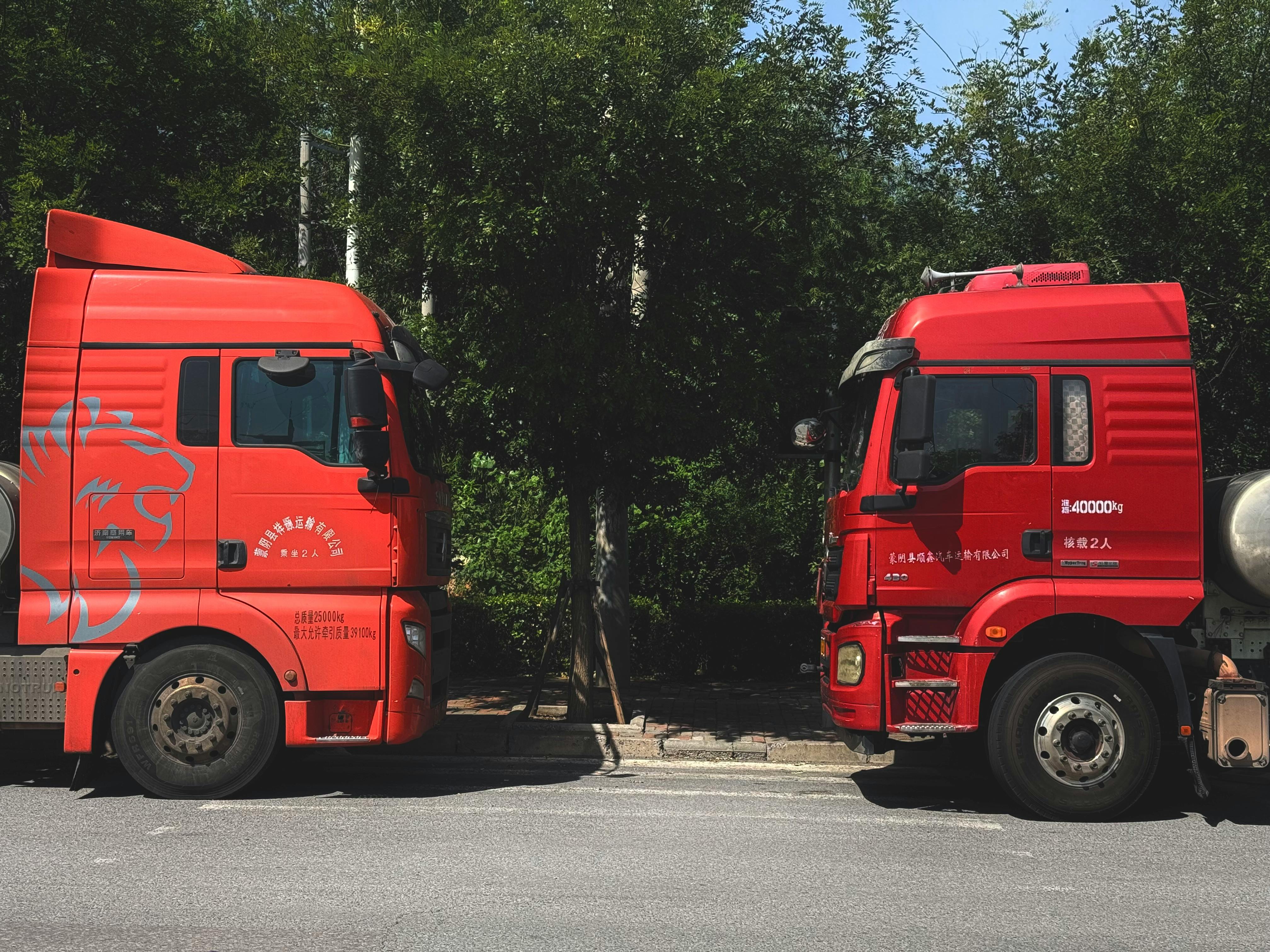
The oil and gas industry, a cornerstone of the modern global economy, has long been characterized by high risks, massive capital investments, and complex logistical challenges. For decades, its operations relied on a combination of heavy machinery, seasoned human expertise, and a significant amount of geological guesswork. Today, this traditional landscape is being fundamentally re-engineered by a powerful wave of machine technology.
Artificial intelligence (AI), the Industrial Internet of Things (IIoT), advanced robotics, and digital twins are no longer futuristic concepts; they are essential tools being deployed across the entire value chain. This digital transformation is not just about incremental improvements. It is a paradigm shift that is creating a more intelligent, safer, and more efficient industry, enabling smarter exploration, safer operations, and more cost-effective production.
Smarter Exploration: Finding Resources with AI Precision
The "upstream" sector of oil and gas—the high-stakes hunt for new reserves—was historically a process of interpreting limited data and drilling multi-million-dollar "exploratory" wells that often came up dry. Machine technology has turned this art into a data science.
AI-Powered Seismic and Geological Analysis
The most significant change is in the analysis of seismic and geological data. A single seismic survey can generate terabytes of complex data that would take teams of geoscientists months or even years to manually interpret.
AI and machine learning algorithms can now ingest and analyze these massive datasets in a fraction of the time. They are trained to:
Identify Subsurface Structures: AI models can detect subtle patterns in seismic waves that indicate the presence of hydrocarbon-bearing rock formations, which are often missed by the human eye.
Create High-Fidelity Reservoir Models: By integrating well logs, seismic data, and production history, AI helps build "digital twins" of underground reservoirs. These models simulate fluid dynamics and predict how oil and gas will flow, allowing engineers to optimize extraction strategies before a single well is drilled.
Optimize Drilling Paths: AI analyzes real-time drilling data (like torque, pressure, and flow rates) to autonomously recommend adjustments to the drilling trajectory. This minimizes the risk of costly incidents like stuck pipes and ensures the wellbore stays in the most productive part of the rock.
This AI-driven approach, used by companies like Shell and ExxonMobil, dramatically reduces exploration risk and cost, allowing companies to "fast-track" prospecting and avoid drilling expensive dry holes.
Safer Operations: Removing Humans from Harm's Way
The oil and gas industry is notoriously dangerous, with workers operating on remote offshore rigs, at extreme heights, or in proximity to high-pressure, flammable materials. The single most important role of machine technology has been to enhance safety by removing humans from these hazardous environments.
The Rise of Robotics: Drones, Crawlers, and ROVs
Robotics are systematically taking over the "dull, dirty, and dangerous" tasks of inspection and maintenance.
Drones (UAVs): Inspecting a 400-foot-tall flare stack or a sprawling network of pipelines once required a human crew to conduct a costly shutdown and perform a dangerous manual inspection. Today, autonomous drones equipped with thermal, LiDAR, and methane-detecting sensors can perform these inspections in hours, while the facility remains fully operational.
Remotely Operated Vehicles (ROVs): In the subsea world, robotic ROVs have become the primary workforce. These "underwater drones" are tethered to a surface vessel and operated by a pilot in a safe control room. They perform all critical subsea tasks, including pipeline inspection, valve-turning, welding, and cleaning, all but eliminating the need for high-risk, expensive human commercial divers.
The Connected Worker and Automated Shutdowns
For workers who must be on-site, IIoT and automation provide an intelligent safety net.
IIoT Wearables: "Connected worker" technology embeds sensors into hard hats and vests. These devices can monitor a worker's vital signs for heat stress, detect a fall, and track their location in real-time, which is especially critical for "lone workers." A Deloitte report noted that companies deploying such wearables saw a significant reduction in workplace accidents.
Automated Emergency Shutdowns (ESD): Lessons from past tragedies like the Piper Alpha disaster have shown that human response time in an emergency is a critical vulnerability. Modern facilities are equipped with thousands of IoT sensors that monitor for gas leaks, pressure surges, or fire. An AI-powered ESD system can detect a critical anomaly and trigger a
facility-wide shutdown in milliseconds—far faster than any human operator could—preventing a catastrophe.
Cost-Effective Production: The Predictive and Optimized Plant
In the "midstream" (transportation) and "downstream" (refining) sectors, the primary goal is maximizing uptime and efficiency. Machine technology is the key to achieving this, saving the industry billions in avoided downtime and optimized processes.
The Power of Predictive Maintenance (PdM)
The most valuable application of AI in production is predictive maintenance. Critical assets like pumps, compressors, and turbines are the heart of any operation. If they fail, the entire operation stops.
IIoT sensors are placed on this equipment to monitor vibration, temperature, and pressure in real time.
AI models are trained on this data to learn the "normal, healthy" signature of each machine.
The AI then watches for subtle anomalies—a 1% increase in vibration—that signal a component is beginning to wear out.
The system can then predict a failure weeks in advance, allowing the team to schedule a low-cost, planned repair instead of suffering a catastrophic, high-cost, unplanned breakdown.
Case studies from companies like Shell have shown that their PdM systems have decreased unexpected equipment shutdowns by as much as 65%. McKinsey estimates that digital twins and predictive maintenance can reduce unplanned downtime by 30% and cut maintenance costs by 25%.
The Digital Twin of the Facility
The "digital twin" concept, which is used to model reservoirs, is also applied to entire physical assets like offshore platforms and refineries. By creating a real-time virtual replica of a facility, companies can:
Simulate and Optimize Processes: Engineers can test new operating parameters or refining processes in the virtual world to find efficiencies without risking a real-world shutdown.
Plan Maintenance "Turnarounds": A refinery shutdown for maintenance (a "turnaround") is a complex, billion-dollar logistical event. By "walking through" the entire process on a digital twin, teams can pre-plan every step, optimize schedules, and dramatically reduce the time the plant is offline. One MIT study on a deepwater facility digital twin projected an improved Net Present Value of over $200 million due to this level of optimization.
← Back to Home
Artificial intelligence (AI), the Industrial Internet of Things (IIoT), advanced robotics, and digital twins are no longer futuristic concepts; they are essential tools being deployed across the entire value chain. This digital transformation is not just about incremental improvements. It is a paradigm shift that is creating a more intelligent, safer, and more efficient industry, enabling smarter exploration, safer operations, and more cost-effective production.
Smarter Exploration: Finding Resources with AI Precision
The "upstream" sector of oil and gas—the high-stakes hunt for new reserves—was historically a process of interpreting limited data and drilling multi-million-dollar "exploratory" wells that often came up dry. Machine technology has turned this art into a data science.
AI-Powered Seismic and Geological Analysis
The most significant change is in the analysis of seismic and geological data. A single seismic survey can generate terabytes of complex data that would take teams of geoscientists months or even years to manually interpret.
AI and machine learning algorithms can now ingest and analyze these massive datasets in a fraction of the time. They are trained to:
Identify Subsurface Structures: AI models can detect subtle patterns in seismic waves that indicate the presence of hydrocarbon-bearing rock formations, which are often missed by the human eye.
Create High-Fidelity Reservoir Models: By integrating well logs, seismic data, and production history, AI helps build "digital twins" of underground reservoirs. These models simulate fluid dynamics and predict how oil and gas will flow, allowing engineers to optimize extraction strategies before a single well is drilled.
Optimize Drilling Paths: AI analyzes real-time drilling data (like torque, pressure, and flow rates) to autonomously recommend adjustments to the drilling trajectory. This minimizes the risk of costly incidents like stuck pipes and ensures the wellbore stays in the most productive part of the rock.
This AI-driven approach, used by companies like Shell and ExxonMobil, dramatically reduces exploration risk and cost, allowing companies to "fast-track" prospecting and avoid drilling expensive dry holes.
Safer Operations: Removing Humans from Harm's Way
The oil and gas industry is notoriously dangerous, with workers operating on remote offshore rigs, at extreme heights, or in proximity to high-pressure, flammable materials. The single most important role of machine technology has been to enhance safety by removing humans from these hazardous environments.
The Rise of Robotics: Drones, Crawlers, and ROVs
Robotics are systematically taking over the "dull, dirty, and dangerous" tasks of inspection and maintenance.
Drones (UAVs): Inspecting a 400-foot-tall flare stack or a sprawling network of pipelines once required a human crew to conduct a costly shutdown and perform a dangerous manual inspection. Today, autonomous drones equipped with thermal, LiDAR, and methane-detecting sensors can perform these inspections in hours, while the facility remains fully operational.
Remotely Operated Vehicles (ROVs): In the subsea world, robotic ROVs have become the primary workforce. These "underwater drones" are tethered to a surface vessel and operated by a pilot in a safe control room. They perform all critical subsea tasks, including pipeline inspection, valve-turning, welding, and cleaning, all but eliminating the need for high-risk, expensive human commercial divers.
The Connected Worker and Automated Shutdowns
For workers who must be on-site, IIoT and automation provide an intelligent safety net.
IIoT Wearables: "Connected worker" technology embeds sensors into hard hats and vests. These devices can monitor a worker's vital signs for heat stress, detect a fall, and track their location in real-time, which is especially critical for "lone workers." A Deloitte report noted that companies deploying such wearables saw a significant reduction in workplace accidents.
Automated Emergency Shutdowns (ESD): Lessons from past tragedies like the Piper Alpha disaster have shown that human response time in an emergency is a critical vulnerability. Modern facilities are equipped with thousands of IoT sensors that monitor for gas leaks, pressure surges, or fire. An AI-powered ESD system can detect a critical anomaly and trigger a
facility-wide shutdown in milliseconds—far faster than any human operator could—preventing a catastrophe.
Cost-Effective Production: The Predictive and Optimized Plant
In the "midstream" (transportation) and "downstream" (refining) sectors, the primary goal is maximizing uptime and efficiency. Machine technology is the key to achieving this, saving the industry billions in avoided downtime and optimized processes.
The Power of Predictive Maintenance (PdM)
The most valuable application of AI in production is predictive maintenance. Critical assets like pumps, compressors, and turbines are the heart of any operation. If they fail, the entire operation stops.
IIoT sensors are placed on this equipment to monitor vibration, temperature, and pressure in real time.
AI models are trained on this data to learn the "normal, healthy" signature of each machine.
The AI then watches for subtle anomalies—a 1% increase in vibration—that signal a component is beginning to wear out.
The system can then predict a failure weeks in advance, allowing the team to schedule a low-cost, planned repair instead of suffering a catastrophic, high-cost, unplanned breakdown.
Case studies from companies like Shell have shown that their PdM systems have decreased unexpected equipment shutdowns by as much as 65%. McKinsey estimates that digital twins and predictive maintenance can reduce unplanned downtime by 30% and cut maintenance costs by 25%.
The Digital Twin of the Facility
The "digital twin" concept, which is used to model reservoirs, is also applied to entire physical assets like offshore platforms and refineries. By creating a real-time virtual replica of a facility, companies can:
Simulate and Optimize Processes: Engineers can test new operating parameters or refining processes in the virtual world to find efficiencies without risking a real-world shutdown.
Plan Maintenance "Turnarounds": A refinery shutdown for maintenance (a "turnaround") is a complex, billion-dollar logistical event. By "walking through" the entire process on a digital twin, teams can pre-plan every step, optimize schedules, and dramatically reduce the time the plant is offline. One MIT study on a deepwater facility digital twin projected an improved Net Present Value of over $200 million due to this level of optimization.