The Role of Machine Technology in Mining and Heavy Industries: Enhancing Safety, Reducing Risks, and Increasing Efficiency
White Wang
•
September 19, 2025
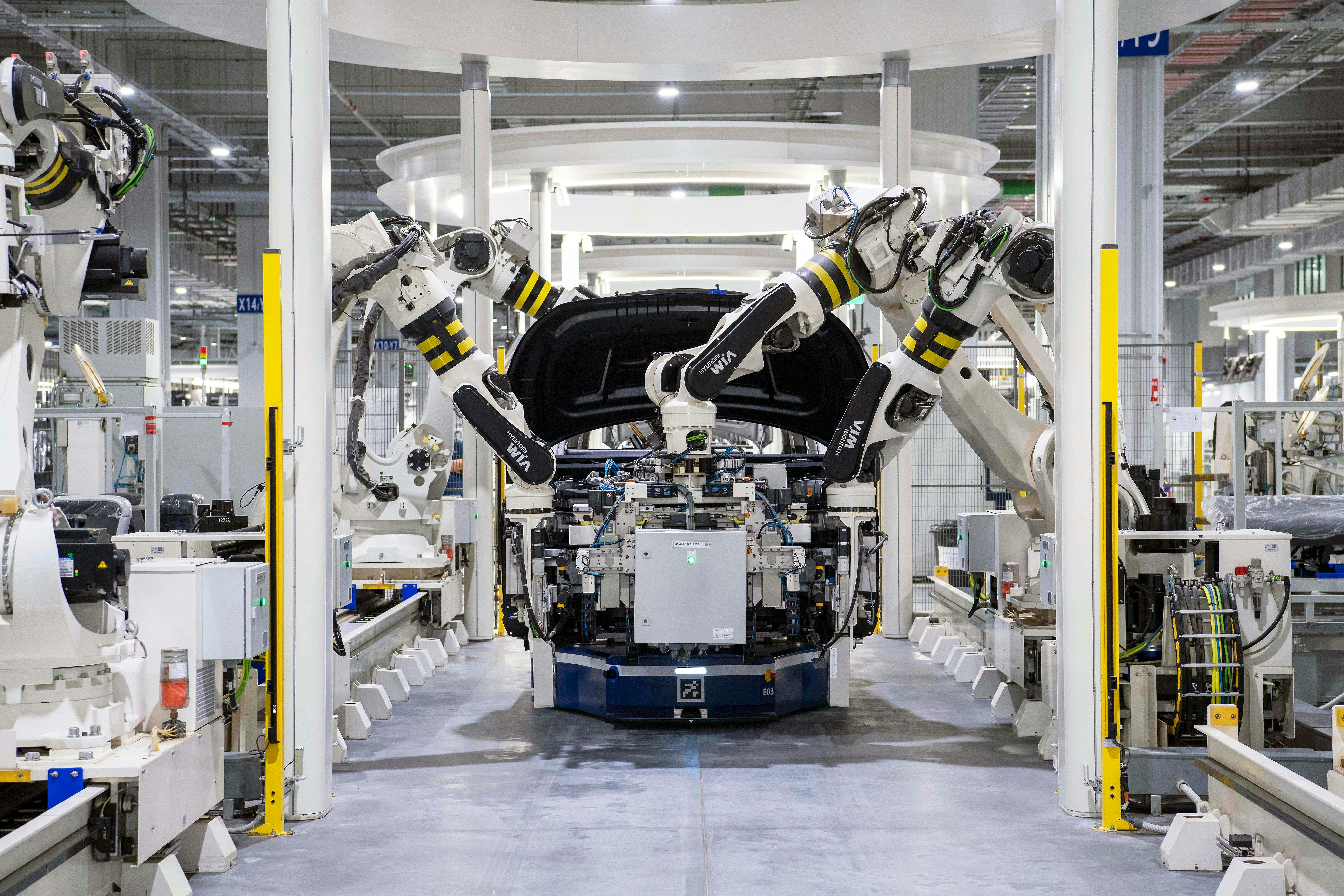
Mining and heavy industries have long been the backbone of the global economy, yet they remain two of the most dangerous and operationally complex sectors in the world. For centuries, the industry was defined by a high-tolerance for risk, grueling manual labor, and reactive decision-making. Today, a profound transformation is underway. A new generation of machine technology—driven by automation, artificial intelligence (AI), and the Internet of Things (IoT)—is fundamentally reshaping this landscape.
This digital industrial revolution is not merely an upgrade; it's a paradigm shift. The primary driver is not just profit, but safety. By leveraging machine technology, companies are systematically removing human workers from harm's way, mitigating catastrophic operational risks, and, in the process, unlocking unprecedented levels of efficiency.
Enhancing Safety: The Primary Mission
The single most significant impact of machine technology in mining is the creation of a safer work environment. The industry's core challenge has always been the physical proximity of people to massive, hazardous machinery and unstable geological environments.
1. The Rise of the Autonomous Mine
The ultimate safety feature is removing the person from the danger zone. Automation and robotics are making this a reality.
Autonomous Haul Trucks: The most visible element of the modern mine is the autonomous haulage system (AHS). These are massive, 400-ton haul trucks that navigate complex mine sites 24/7 with no driver. Using high-precision GPS, LiDAR, and advanced obstacle-detection sensors, these trucks can operate in conditions (like dust or fog) that would stop human drivers. The primary benefit is a near-total elimination of operator-related collisions, the leading cause of fatalities in surface mining.
Robotic and Remote-Controlled Drilling: Robotic drills now handle the high-risk task of boring into a rock face. Similarly, "tele-remote" operation allows a technician to sit in a safe, air-conditioned office on the surface while controlling a Load-Haul-Dump (LHD) machine or a drill operating deep underground. This removes workers from the direct risks of rockfalls, toxic gas exposure, and equipment vibration.
Drones for High-Risk Inspection: Drones have replaced human surveyors in many high-risk tasks. They are used to inspect unstable slopes, survey the tops of massive stockpiles, and fly into a "blast pit" to ensure it is clear before workers are allowed to re-enter, all while the operator remains at a safe distance.
2. The Connected Worker and Smart Environment
For workers who must still be in the field, the Internet of Things (IoT) has created an intelligent safety net.
Smart Wearables: Modern hard-hats and vests are now "smart," equipped with IoT sensors. These wearables can detect if a worker has had a fall, monitor their vital signs for heat stress, and track their exact location in real-time. This is especially critical for "lone workers" in remote areas of a site.
Environmental Sensors: The mine itself is now "live." A network of fixed and mobile sensors constantly monitors air quality for methane, carbon monoxide, and dust levels. This system can trigger automatic alerts and ventilation systems long before conditions become life-threatening.
Reducing Risks: From Reactive to Predictive Operations
Beyond immediate physical safety, machine technology is revolutionizing how companies manage operational and financial risks, particularly the risk of catastrophic equipment failure.
The Power of Predictive Maintenance
In heavy industry, equipment is massive, complex, and extraordinarily expensive. The failure of a single haul truck engine or a primary crusher can halt an entire operation for days, costing millions.
The traditional maintenance model was either reactive ("fix it when it breaks") or preventive ("fix it every 1,000 hours"). The new model is predictive.
This is how it works:
IIoT Sensors on engines, gearboxes, and hydraulic systems monitor real-time data like vibration, temperature, and pressure.
AI and Machine Learning algorithms analyze this data, learning the "normal" operational signature of that specific machine.
Anomaly Detection identifies subtle deviations from this norm—a microscopic increase in vibration, a tiny dip in oil pressure—that are precursors to a failure.
Actionable Alerts are sent to the maintenance team, predicting that "Component X on Truck 7 will likely fail in the next 50 hours."
This allows the team to schedule a repair during a planned shutdown, ordering parts in advance and turning a catastrophic, multi-day failure into a routine, four-hour maintenance stop. This AI-driven approach has been shown to reduce equipment downtime by over 30% and cut maintenance costs by 10-15%.
Increasing Efficiency: The Data-Driven Mine
The same technologies that enhance safety and reduce risk are also the primary drivers of a new age of hyper-efficiency. The smart mine is a data-driven operation that optimizes every step of the process.
1. AI-Powered Geological Analysis
Before a single shovel hits the ground, AI is at work. Machine learning models can analyze vast, complex geological datasets (including seismic surveys and drill-hole data) to create high-resolution 3D maps of ore bodies. This "digital twin" of the geology allows engineers to:
Pinpoint High-Value Deposits with greater accuracy, reducing exploratory drilling.
Predict Ore Quality and composition, allowing the processing plant to adjust its formulas in advance.
Optimize Blast Patterns for better rock fragmentation, which makes the downstream processes of hauling and crushing more energy-efficient.
2. Fully Optimized Operations
Automation ensures a level of perfect consistency that no human-run operation can match. Autonomous haul trucks don't speed, they don't take inefficient routes, and they don't get tired. They operate 24/7, communicating with each other and the central AI dispatcher to eliminate bottlenecks.
A prime example comes from Rio Tinto and Komatsu. By analyzing operational data, they discovered that shovel operators were experiencing "hang time"—small, unexpected delays waiting for trucks. By simply analyzing this data and implementing a new, data-driven process for swapping truck operators at break times, the mine increased its material movement by 2.7 million metric tons annually with a zero-dollar budget. This is the power of data-driven efficiency.
3. Streamlined Digital Workflows
The revolution is also happening in the back office. Digital forms, mobile apps, and process automation are replacing paper-based checklists for equipment inspections, safety audits, and compliance reporting. This not only reduces errors and speeds up processes but also captures invaluable "institutional knowledge" from retiring experts, mitigating the risk of a skills gap and helping new workers get up to speed faster.
← Back to Home
This digital industrial revolution is not merely an upgrade; it's a paradigm shift. The primary driver is not just profit, but safety. By leveraging machine technology, companies are systematically removing human workers from harm's way, mitigating catastrophic operational risks, and, in the process, unlocking unprecedented levels of efficiency.
Enhancing Safety: The Primary Mission
The single most significant impact of machine technology in mining is the creation of a safer work environment. The industry's core challenge has always been the physical proximity of people to massive, hazardous machinery and unstable geological environments.
1. The Rise of the Autonomous Mine
The ultimate safety feature is removing the person from the danger zone. Automation and robotics are making this a reality.
Autonomous Haul Trucks: The most visible element of the modern mine is the autonomous haulage system (AHS). These are massive, 400-ton haul trucks that navigate complex mine sites 24/7 with no driver. Using high-precision GPS, LiDAR, and advanced obstacle-detection sensors, these trucks can operate in conditions (like dust or fog) that would stop human drivers. The primary benefit is a near-total elimination of operator-related collisions, the leading cause of fatalities in surface mining.
Robotic and Remote-Controlled Drilling: Robotic drills now handle the high-risk task of boring into a rock face. Similarly, "tele-remote" operation allows a technician to sit in a safe, air-conditioned office on the surface while controlling a Load-Haul-Dump (LHD) machine or a drill operating deep underground. This removes workers from the direct risks of rockfalls, toxic gas exposure, and equipment vibration.
Drones for High-Risk Inspection: Drones have replaced human surveyors in many high-risk tasks. They are used to inspect unstable slopes, survey the tops of massive stockpiles, and fly into a "blast pit" to ensure it is clear before workers are allowed to re-enter, all while the operator remains at a safe distance.
2. The Connected Worker and Smart Environment
For workers who must still be in the field, the Internet of Things (IoT) has created an intelligent safety net.
Smart Wearables: Modern hard-hats and vests are now "smart," equipped with IoT sensors. These wearables can detect if a worker has had a fall, monitor their vital signs for heat stress, and track their exact location in real-time. This is especially critical for "lone workers" in remote areas of a site.
Environmental Sensors: The mine itself is now "live." A network of fixed and mobile sensors constantly monitors air quality for methane, carbon monoxide, and dust levels. This system can trigger automatic alerts and ventilation systems long before conditions become life-threatening.
Reducing Risks: From Reactive to Predictive Operations
Beyond immediate physical safety, machine technology is revolutionizing how companies manage operational and financial risks, particularly the risk of catastrophic equipment failure.
The Power of Predictive Maintenance
In heavy industry, equipment is massive, complex, and extraordinarily expensive. The failure of a single haul truck engine or a primary crusher can halt an entire operation for days, costing millions.
The traditional maintenance model was either reactive ("fix it when it breaks") or preventive ("fix it every 1,000 hours"). The new model is predictive.
This is how it works:
IIoT Sensors on engines, gearboxes, and hydraulic systems monitor real-time data like vibration, temperature, and pressure.
AI and Machine Learning algorithms analyze this data, learning the "normal" operational signature of that specific machine.
Anomaly Detection identifies subtle deviations from this norm—a microscopic increase in vibration, a tiny dip in oil pressure—that are precursors to a failure.
Actionable Alerts are sent to the maintenance team, predicting that "Component X on Truck 7 will likely fail in the next 50 hours."
This allows the team to schedule a repair during a planned shutdown, ordering parts in advance and turning a catastrophic, multi-day failure into a routine, four-hour maintenance stop. This AI-driven approach has been shown to reduce equipment downtime by over 30% and cut maintenance costs by 10-15%.
Increasing Efficiency: The Data-Driven Mine
The same technologies that enhance safety and reduce risk are also the primary drivers of a new age of hyper-efficiency. The smart mine is a data-driven operation that optimizes every step of the process.
1. AI-Powered Geological Analysis
Before a single shovel hits the ground, AI is at work. Machine learning models can analyze vast, complex geological datasets (including seismic surveys and drill-hole data) to create high-resolution 3D maps of ore bodies. This "digital twin" of the geology allows engineers to:
Pinpoint High-Value Deposits with greater accuracy, reducing exploratory drilling.
Predict Ore Quality and composition, allowing the processing plant to adjust its formulas in advance.
Optimize Blast Patterns for better rock fragmentation, which makes the downstream processes of hauling and crushing more energy-efficient.
2. Fully Optimized Operations
Automation ensures a level of perfect consistency that no human-run operation can match. Autonomous haul trucks don't speed, they don't take inefficient routes, and they don't get tired. They operate 24/7, communicating with each other and the central AI dispatcher to eliminate bottlenecks.
A prime example comes from Rio Tinto and Komatsu. By analyzing operational data, they discovered that shovel operators were experiencing "hang time"—small, unexpected delays waiting for trucks. By simply analyzing this data and implementing a new, data-driven process for swapping truck operators at break times, the mine increased its material movement by 2.7 million metric tons annually with a zero-dollar budget. This is the power of data-driven efficiency.
3. Streamlined Digital Workflows
The revolution is also happening in the back office. Digital forms, mobile apps, and process automation are replacing paper-based checklists for equipment inspections, safety audits, and compliance reporting. This not only reduces errors and speeds up processes but also captures invaluable "institutional knowledge" from retiring experts, mitigating the risk of a skills gap and helping new workers get up to speed faster.